




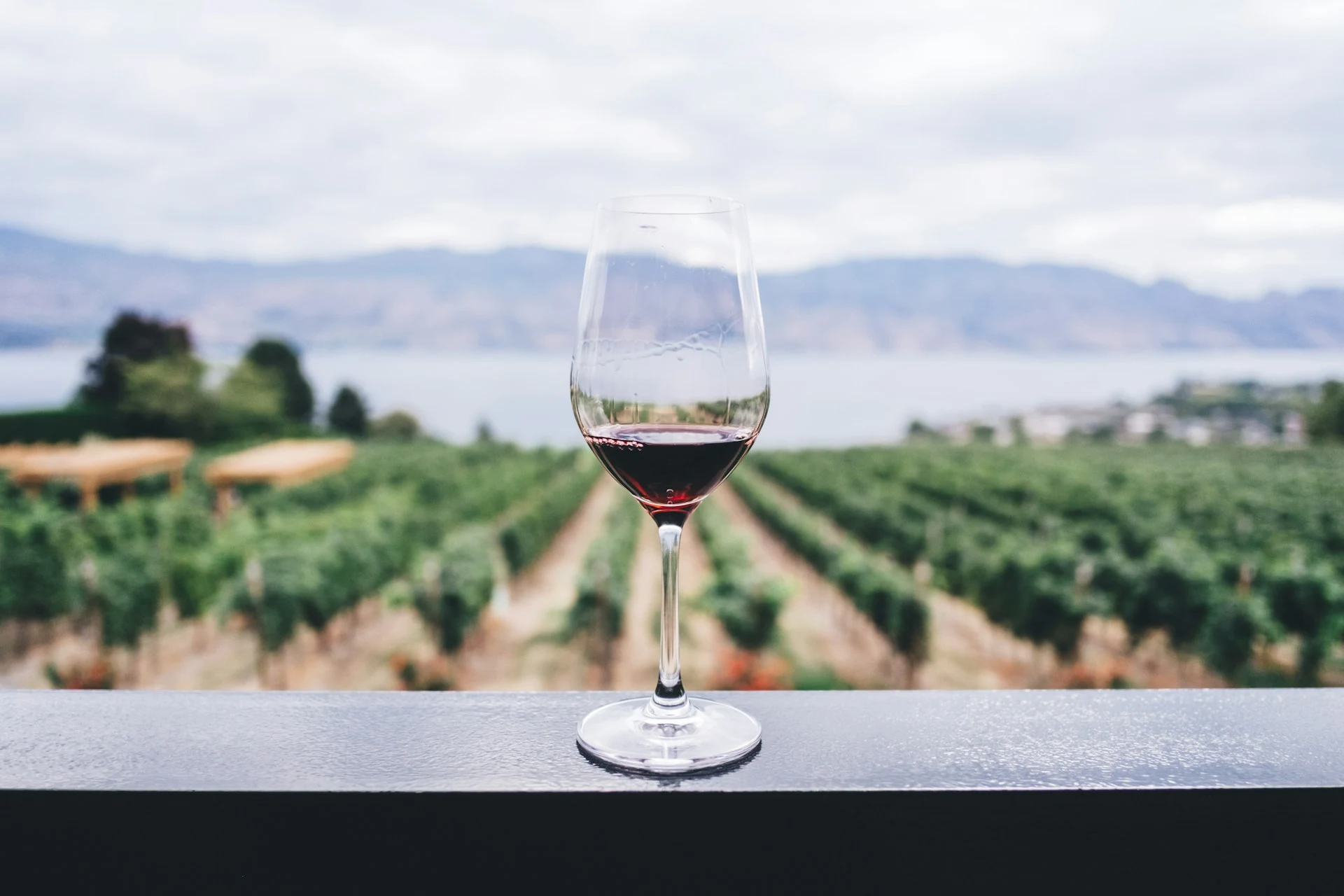
A wine collection sounds like something that needs a stone cellar and a sommelier, or a butler at very least on standby, but honestly, it doesn’t. If you want to know how to start a wine collection, the real answer is that you already have: every bottle you set aside for later counts. The rest is buying with a little intention and storing it well.
Below, we cover how to choose what to buy, how to collect on any budget, and how to keep bottles happy at home. Planning a holiday table? Our Thanksgiving hosting hacks and the best gifts for cocktail lovers pair nicely with this one. The gear we’d start with is waiting at the end.
How to start a wine collection: begin with what you love
Drink first, collect second
The best collection is one you actually want to open. Before you buy anything to keep, pay attention to the bottles you enjoy now: the grape, the region, the producer. Snap a photo of the label when something wows you at dinner. Those notes become your shopping list.
Buy more than one bottle
When you find a wine you love, buy two or three. Open one now, and save the others to see how they change over a few years. Many wine shops also offer a discount on a full or mixed case, so it is worth asking.
Mix wines to drink now with a few to age
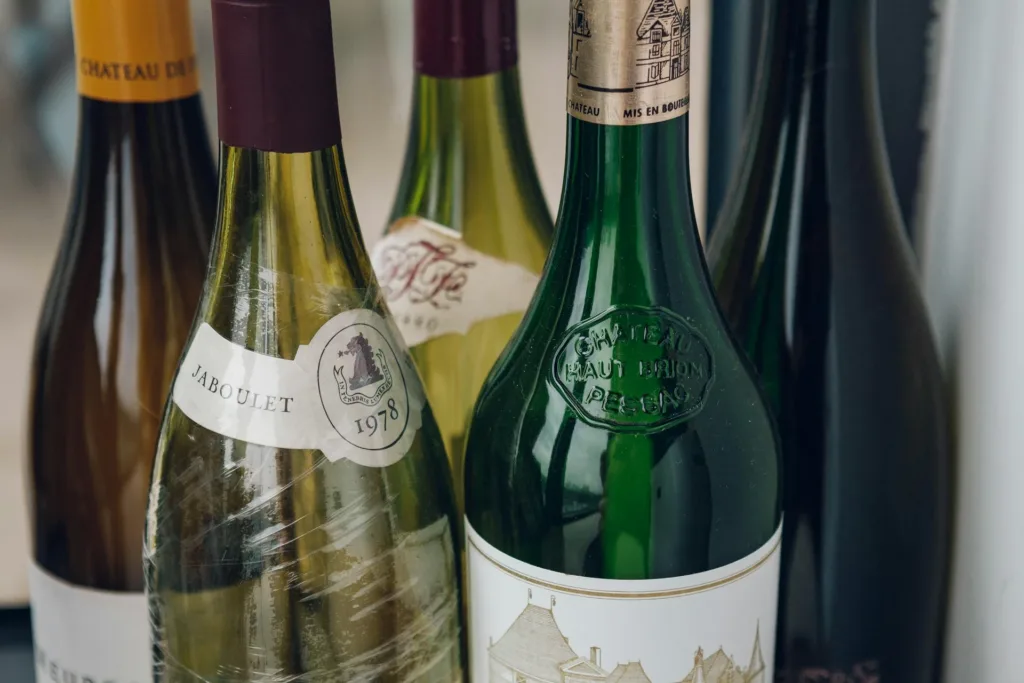
Most wine is made to be enjoyed young, within a few years of release. Only some bottles are built to improve for a long time, often structured reds such as Cabernet Sauvignon, Nebbiolo and Syrah, plus some Riesling, vintage Champagne and Port. A good starter collection is mostly everyday bottles, with a small corner set aside for aging.
Get to know a shop
A good local wine shop is a collector’s best friend. Tell the staff what you like and what you want to spend, and let them point you to producers and regions you might not try on your own.
Keep simple notes
A notebook or a notes app works fine. Write down what you bought, when, what you paid and when you plan to open it. It keeps you from forgetting a special bottle at the back of the rack.
Wine collecting on any budget
There is no minimum spend to call yourself a collector. What matters is a plan you can keep up with.
- Starter shelf. Pick one bottle a month to set aside instead of opening it right away. In a year, you have a small collection without changing how much you spend on wine.
- Growing collection. Buy a mixed case of wines you already like, and track how they taste as you open them over time. Lesser-known regions and second labels from well-known estates often offer good value.
- Serious cellar. Buy age-worthy wines when they are released, often by the case, and plan when to open each one. At this level, proper storage matters more than ever.
How to store wine at home
You don’t need a cellar, but wine does like a few things. Get these right and your bottles will thank you.
- Cool and steady. Around 55°F is the classic cellar temperature, but steady matters most. Big swings are harder on wine than a few degrees either way.
- Dark. Light, especially sunlight, can harm wine over time. A closet or a cabinet beats a sunny shelf.
- On its side. Storing corked bottles on their side keeps the cork in contact with the wine, so it doesn’t dry out.
- Calm and quiet. Keep bottles away from heat sources and constant vibration, so skip the top of the fridge.
- Not in the kitchen fridge for long. It is fine for a few days before serving, but it is colder and drier than wine likes for long-term storage.
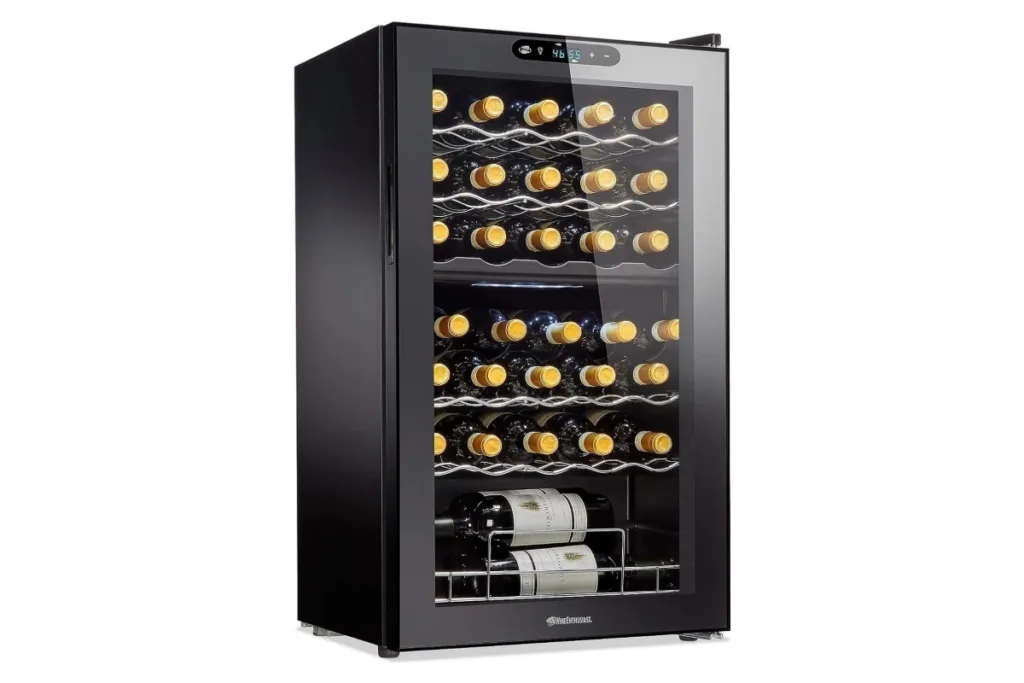
Once you have more than a dozen or so bottles to keep, a wine fridge makes all of this easy.
Serving the bottles you saved
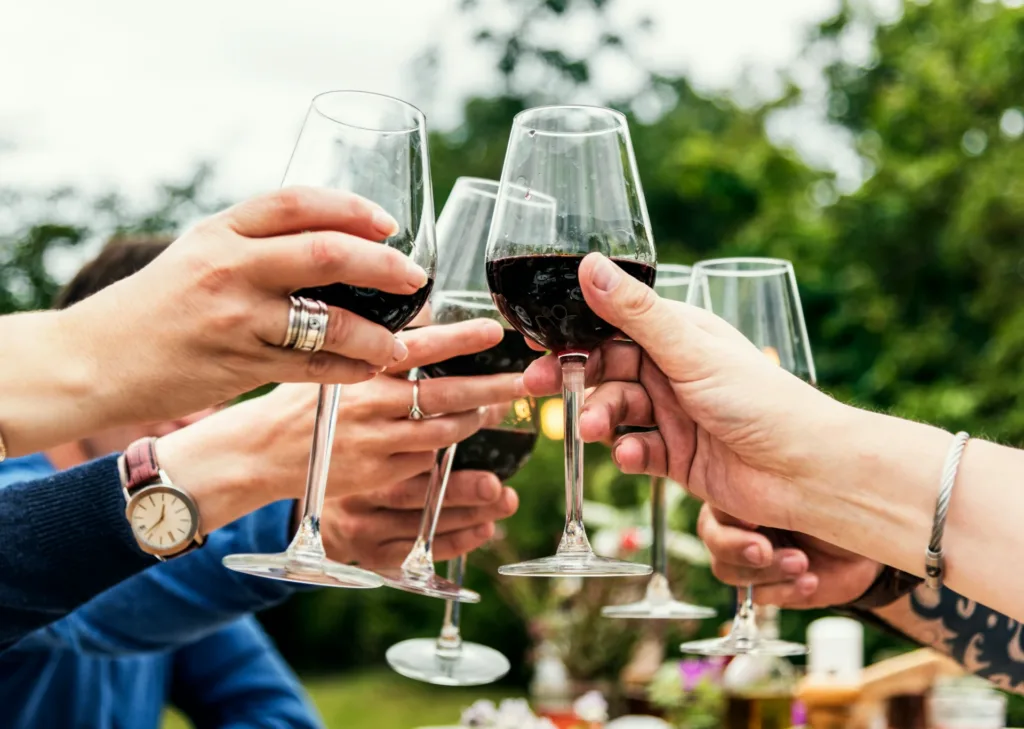
After waiting years for a bottle, give it a proper moment. A good glass with a generous bowl helps a wine show its aromas. A decanter lets a young, bold red open up, and helps you leave sediment behind in an older bottle. And if you only want one glass tonight, a wine preserver lets you pour without pulling the cork.
Our Amazon picks for your wine collection
Six favorites to start with: storage and saving in the first row, and serving pieces worth keeping in the second.
 Check price at Amazon
A fridge for reds and whites
The Wine Enthusiast 32-Bottle Dual Zone Wine Fridge holds up to 32 standard bottles, with two zones you can set from 41°F to 64°F. Age in one, chill in the other.
 Check price at Amazon
A rack that grows with you
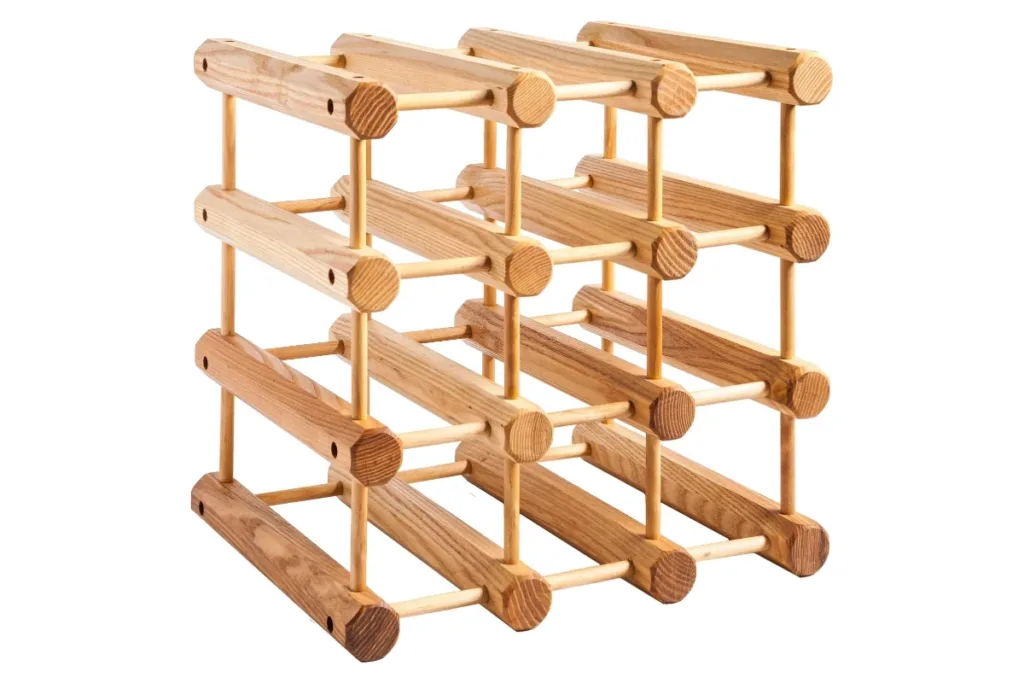
The J.K. Adams 12-Bottle Stackable Ash Wood Wine Rack is modular, so you can stack and expand it as the collection grows.
 Check price at Amazon
One glass, no cork pulled
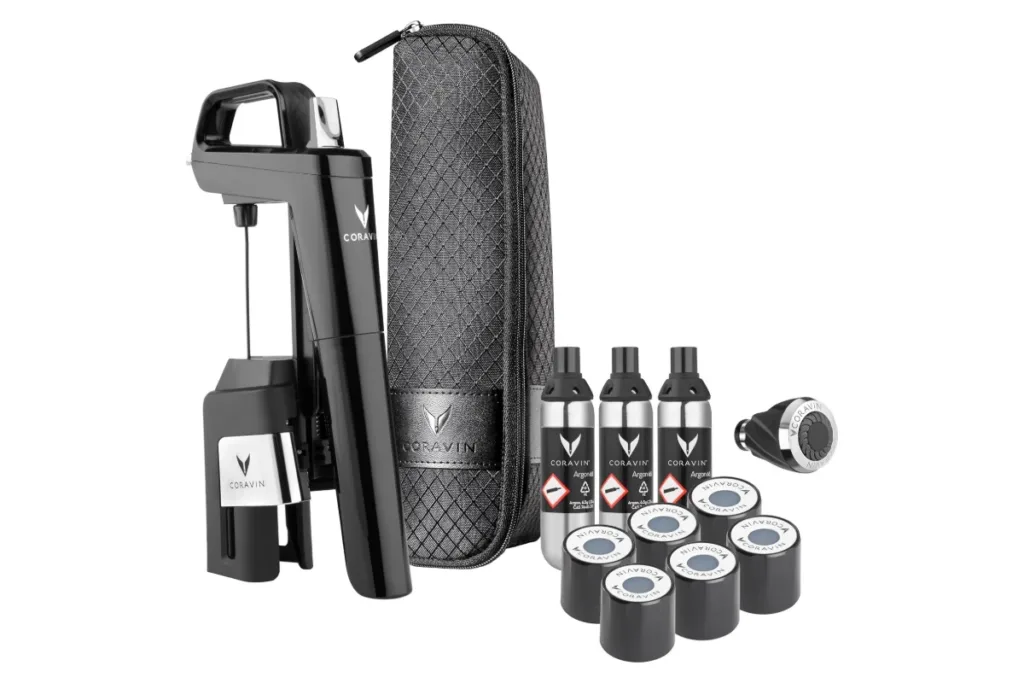
The Coravin Timeless Six Plus Wine Preserver pours through the cork, so you can save the rest of the bottle for weeks, months or even years.
 Check price at Amazon
Glasses worth the upgrade
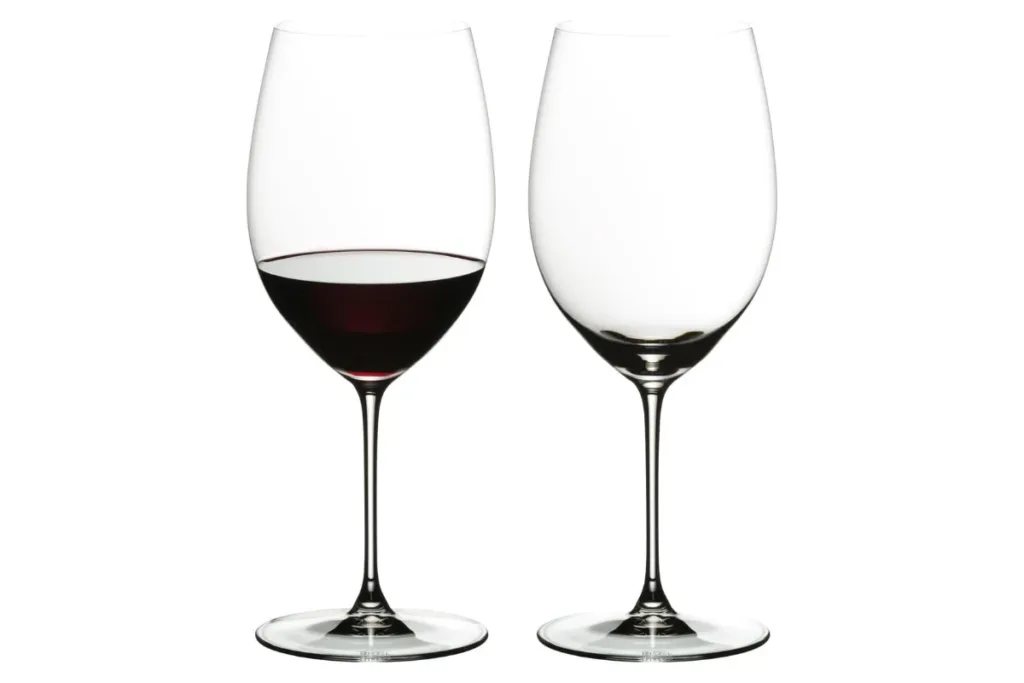
Riedel Veritas Cabernet/Merlot Glasses, Set of 2 are fine, lightweight crystal glasses made for full-bodied reds.
 Check price at Amazon
A classic decanter
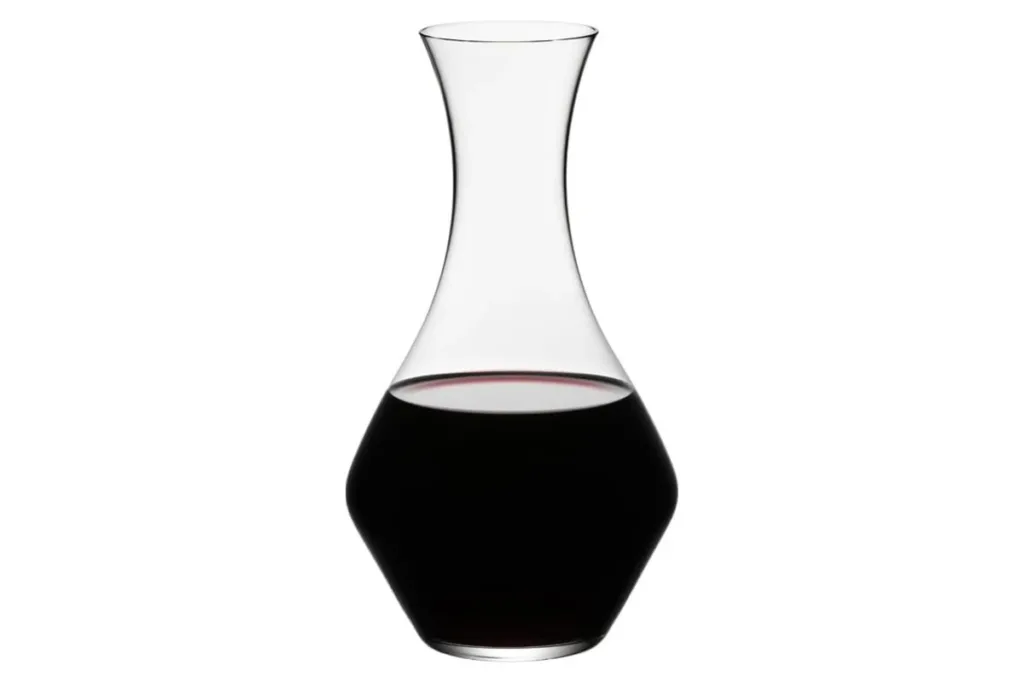
The Riedel Cabernet Decanter is crystal glass made for aerating wine, and it is dishwasher safe.
 Check price at Amazon
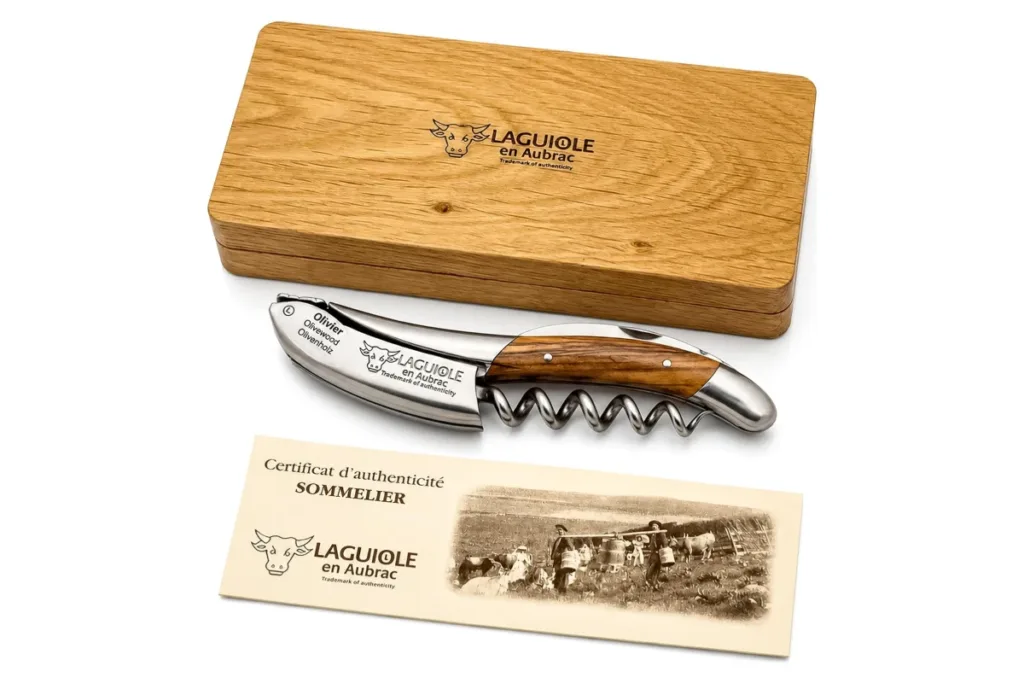
An heirloom opener
The Laguiole en Aubrac Sommelier Corkscrew, Olivewood is handmade in the Aubrac region of France, with a foil cutter and bottle opener.
Sources and further reading
- Wine Enthusiast 32-Bottle Dual Zone Wine Fridge, Freestanding Compressor, Amazon, capacity, two zones, 41 to 64°F range
- J.K. Adams 12-Bottle Stackable Ash Wood Modular Wine Rack, Natural, Amazon, 12 bottles, stackable, ash wood
- Coravin Timeless Six Plus Wine Preservation System, Piano Black, Amazon, pours through the cork, kit contents
- Riedel Veritas Cabernet/Merlot, Set of 2, Amazon, crystal glass, made for full-bodied reds
- Riedel Cabernet Decanter, Amazon, crystal glass, dishwasher safe
- Laguiole en Aubrac Sommelier Waiter's Corkscrew, Olivewood Handle, Amazon, handmade in Aubrac, France, foil cutter and bottle opener
Changelog
- Written.
What we could not test
- We haven’t tested these products.
Questions
How many bottles do I need to start a wine collection?
There is no minimum. A few bottles set aside to open later is a collection. Many people start with a dozen or so and grow from there.
What temperature should I store wine at?
Around 55°F is the classic cellar temperature. Keeping the temperature steady matters even more than hitting an exact number.
Should wine be stored on its side?
Yes, for bottles with natural corks. Lying on its side keeps the cork moist so it does not dry out and let air in. Screw cap bottles can stand upright.
Does all wine get better with age?
No. Most wine is made to drink within a few years of release. Only some wines, often structured reds, sweet wines and some whites, are made to improve over many years.