
 Nikon NIKKOR Z 180-600mmBest overall
- Focal length
- 180-600mm
- Maximum aperture
- f/5.6-6.3
- Stabilization
- Optical VR
- Minimum focus distance
- 4.27 ft at 180mm
Most recommended by reviewers
Check price at Amazon


How we make money. If you buy through our links we may earn a commission. It never changes what we recommend. Learn more ›
We earn a commission when you buy through our links, at no extra cost to you. How this works.
If you shoot birds, mammals or anything that won't come close, you need reach, and a long zoom is how you get it without carrying a prime the size of a fire hydrant. The lens most reviewers point to first is the Nikon Z 180-600mm f/5.6-6.3 VR, which covers a huge range from one handheld lens.
Below we cover four picks: that versatile zoom as our top choice, a sharper and faster 400mm prime for larger birds, a bundled 80-400mm option for a tighter budget, and a classic 200-500mm for DSLR users.
1 NIKKOR Z 180-600mm | 2 AF-S NIKKOR 80-400mm | 3 AF-S NIKKOR 200-500mm | 4 AF-S NIKKOR 80-400mm | |
|---|---|---|---|---|
| Best for | Best overall | Best for sharpness | Best for DSLR bodies | Best budget |
| Focal length | 180-600mm | 80-400mm | 200-500mm | 80-400mm |
| Maximum aperture | f/5.6-6.3 | f/4.5-5.6 | f/5.6 constant | f/4.5-5.6 |
| Stabilization | Optical VR | Vibration Reduction | 4.5 stops VR with Sports mode | Vibration Reduction |
| Minimum focus distance | 4.27 ft at 180mm | Not listed | 7.2 ft | 5.7 ft |
| Mount | Nikon Z | Nikon F | Nikon F | Nikon F |
| Weight | Not listed | Not listed | About 81.2 oz | About 3.3 lb without tripod collar |
| Check price at Amazon | Check price at Amazon | Check price at Amazon | Check price at Amazon |
Nikon NIKKOR Z 180-600mmBest overallMost recommended by reviewers
Check price at Amazon Nikon AF-S NIKKOR 80-400mmBest for sharpness
 Nikon AF-S NIKKOR 200-500mmBest for DSLR bodies
 Nikon AF-S NIKKOR 80-400mmBest budget


The one long zoom most reviewers would buy first. It covers small to large wildlife in a single, handholdable lens.
Most recommended by reviewers
Check price at AmazonPrices and availability on Amazon change often.
For most wildlife shooters, the Nikon NIKKOR Z 180-600mm f/5.6-6.3 VR is the lens we'd pick, because it covers everything from small lizards and frogs to distant birds in one zoom.
Reviewers call it the most versatile of Nikon's wildlife lenses, and its internal zoom keeps the balance steady when you swing it toward a subject. At about 1.9 kg it is handholdable, and the 4.27 ft close focus at 180mm with 0.25x magnification opens up close subjects that longer lenses can't reach. Owners on r/Nikon have not weighed in on this one yet, but the optical VR is rated at 5.5 stops, which helps when panning after fast birds.
The aperture narrows to f/6.3 at long reach, so it is not the best choice for dim light or for chasing ultimate sharpness. It is also a Z-mount lens, so it won't fit older DSLR bodies.
If it's not for you, the Nikon AF-S FX NIKKOR 200-500mm f/5.6E ED VR suits DSLR owners with its constant f/5.6 aperture, while the renewed 80-400mm is the budget pick for shooters who want a lower price.


A tighter-budget telephoto with a bundle of filters and cleaning kit, for those who want reach without the top-end price.
Prices and availability on Amazon change often.


A compact super-telephoto zoom with a constant f/5.6 aperture, favoured by birders on DSLR bodies.
Prices and availability on Amazon change often.


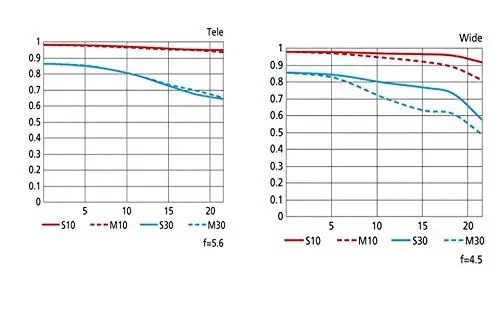


A renewed copy of the 80-400mm for buyers who want the reach at a lower price.
Prices and availability on Amazon change often.
Choose the 180-600mm if you want one lens that covers close wildlife and distant birds. Pick the 200-500mm or renewed 80-400mm if you shoot a DSLR and want reach for less money.
For most wildlife shooters with a Nikon Z-mount camera, the Nikon Z 180-600mm f/5.6-6.3 VR is the most versatile choice. It covers a wide range in a single handholdable lens and is widely recommended by expert reviewers.
Yes. At 600mm it handles most birds well, and its 0.25x magnification helps with smaller subjects, though it isn't the fastest option for birds in flight.
The 200-500mm and 80-400mm options are F-mount lenses for Nikon DSLRs. The 180-600mm is for Nikon Z-mount cameras only.
Why trust ConsumerEcho
We built this shortlist from published wildlife lens reviews and owner discussions, then checked every lens against its current Amazon listing and stock. Each pick is compared on reach, aperture, stabilization, weight and price.
Our expert team tests products when it is needed and researches online and in interviews. Every guide is fact-checked and edited by a real person.
The ConsumerEcho editorial team · Updated Nov 22, 2026
How we pickEditorial standardsAffiliate disclosureReport a mistake
We earn a commission when you buy through our links, at no extra cost to you. It never decides the winner.


