 CURREX AceProBest overall
- Arch profiles
- Low, medium, high
- Surface
- Super Grip anti-slip
- Replacement
- After 100 hours or 12 months
Most recommended by reviewers
Check price at Amazon


How we make money. If you buy through our links we may earn a commission. It never changes what we recommend. Learn more ›
We earn a commission when you buy through our links, at no extra cost to you. How this works.
Tennis is hard on your feet: quick stops, sudden direction changes and long matches all put load on the arch and heel. The right insole can make those hours feel less punishing.
Our top pick is the CURREX AcePro, because it offers dynamic arch support, a deep heel cup and a grippy surface built for court sports, and it comes in low, medium and high arch versions.
1 CURREX AcePro | 2 GED Court Sports Insoles | 3 EASYFEET Flame Boost | |
|---|---|---|---|
| Best for | Best overall | Best for side-to-side play | Best for cushioning |
| Arch profiles | Low, medium, high | Mid-to-high | Medium-low |
| Check price at Amazon | Check price at Amazon | Check price at Amazon |
CURREX AceProBest overallMost recommended by reviewers
Check price at Amazon GED Court Sports InsolesBest for side-to-side play
 EASYFEET Flame BoostBest for cushioning


A court-sports insole with dynamic arch support and a deep heel cup, built for the sudden moves of tennis.
Most recommended by reviewers
Check price at AmazonPrices and availability on Amazon change often.
For most tennis players, the CURREX AcePro is the insole we'd pick first, because it was built for the lateral pushes and sudden jumps that tennis demands.
The AcePro comes in low, medium and high arch profiles, so you can match the shape to your own arch rather than settling for one size of support. A deep heel cup wraps and locks the heel in place, which matters when you stop and change direction quickly on court. Its Super Grip surface is designed to prevent slipping, and the mesh top layer is meant to keep feet drier during play.
The main drawback is price, since the AcePro costs more than basic insoles. The manufacturer also advises replacing them after 100 hours of play or 12 months, whichever comes first, so factor that replacement schedule into the cost.
If it's not for you, the GED Court Sports Insoles suit players who want extra push-off support for side-to-side movement, while the EASYFEET Flame Boost Sport Insoles fit those who want the most cushioning at the lowest price.


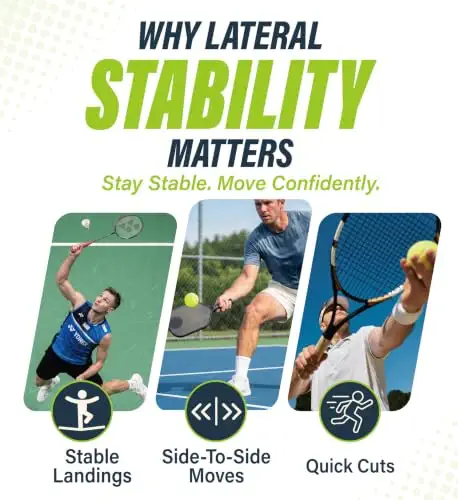

Raised outer forefoot pad and mid-to-high arch support for pickleball, tennis and badminton.
Prices and availability on Amazon change often.


Gel-padded heel and forefoot with a springy arch shell, aimed at impact protection.
Prices and availability on Amazon change often.
Choose the AcePro if you play a lot of court sports and want arch support with a secure heel. Choose the GED if lateral pushes are your main concern. Choose the Flame Boost if cushioning and a lower price matter most.
Yes. Remove the original insole and place the new one in the shoe. Trim-to-fit insoles like the GED and Flame Boost should be cut along the guide so they sit flat and do not bunch up.
Foam gives general cushioning and support, while gel pads add targeted shock absorption under the heel and forefoot. Gel suits players who feel impact most; foam suits those who want a balanced feel.
We did not find a reliable source on the insoles NBA players use, so we have not listed any. The picks above are chosen for tennis and court sports.
Why trust ConsumerEcho
three Amazon listings were compared, each checked as in stock. The shortlist is built from listing details and the advice in expert reviews and owner discussions.
Our expert team tests products when it is needed and researches online and in interviews. Every guide is fact-checked and edited by a real person.
The ConsumerEcho editorial team · Updated Nov 15, 2026
How we pickEditorial standardsAffiliate disclosureReport a mistake
We earn a commission when you buy through our links, at no extra cost to you. It never decides the winner.