
 Superlux D112/CBest overall
- Type
- Dynamic, omnidirectional
- Impedance
- Hi-Z
- Frequency response
- 100–6,000 Hz
- Volume control
- Built-in knob with center detent
Most recommended by reviewers
Check price at Amazon


How we make money. If you buy through our links we may earn a commission. It never changes what we recommend. Learn more ›
We earn a commission when you buy through our links, at no extra cost to you. How this works.
If you play harmonica through an amp or a PA, the microphone you pick shapes how your tone comes across, and whether you can move around the stage without fighting the cable. Most harp mics are built for blues players who cup the mic in their hands and want a warm, punchy sound.
The Superlux D112/C is our top pick for most players: a Hi-Z mic that plugs straight into a guitar amp, with a built-in volume knob and a long cable. The other picks cover premium build, a vintage look, and a clip-on option for hands-free playing.
1 Superlux D112/C | 2 Hohner HB52 Harp Blaster | 3 Audix Fireball | 4 Peavey H-5 | |
|---|---|---|---|---|
| Best for | Best overall | Best premium build | Best build quality | Best value with a case |
| Type | Dynamic, omnidirectional | Dynamic | Dynamic | Cardioid dynamic |
| Volume control | Built-in knob with center detent | Bourns potentiometer | Not listed | Center detent |
| Cable | Fixed 6 m (about 20 ft) | Not listed | Not listed | Detachable mini-XLR to 1/4 inch |
| Check price at Amazon | Check price at Amazon | Check price at Amazon | Check price at Amazon |
Superlux D112/CBest overallMost recommended by reviewers
Check price at Amazon Hohner HB52 Harp BlasterBest premium build
 Audix FireballBest build quality
 Peavey H-5Best value with a case
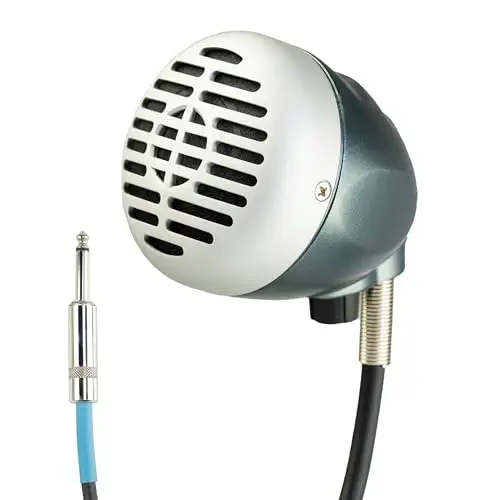


A budget-friendly Hi-Z harp mic that plugs straight into a guitar amp.
Most recommended by reviewers
Check price at AmazonPrices and availability on Amazon change often.
The Superlux D112/C is our pick for the best overall harmonica mic, especially if you plug straight into a guitar amp and want to play blues.
The D112/C is a high-impedance dynamic mic, so it plugs directly into guitar amps or other high-impedance gear with no adapter or preamp. Its built-in volume knob has a center detent, so you can find your level by feel without reaching for the amp. The fixed 6 m (about 20 ft) cable gives plenty of reach on stage. Owners aren't quoted in our notes, but the spec sheet points to a warm 100 to 6,000 Hz response and a body shaped to fit either hand.
The cable is permanent and cannot be detached, so you can't swap in a shorter one if you prefer a tighter setup. If you want a removable cable or a case in the box, the Peavey H-5 may suit you better.
If it's not for you, the Peavey H-5 suits players who want a detachable cable and a hardshell case included, while the AUDIX Fireball is better for those who put build quality first.


An all-metal dynamic mic with a gold-plated XLR connector and a Bourns volume pot.
Prices and availability on Amazon change often.

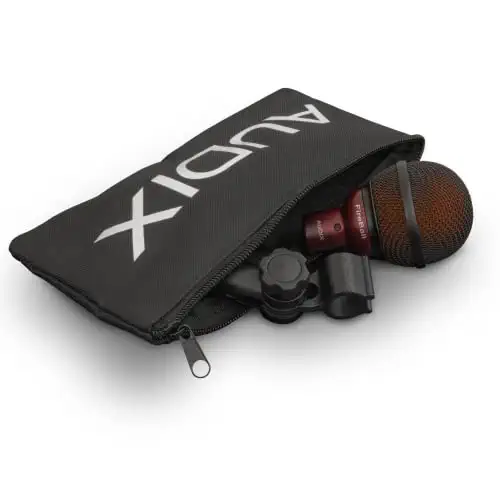


A machined aluminum harp mic made in Oregon, with an internal pop filter.
Prices and availability on Amazon change often.

A cardioid harp mic with a center-detent volume control and a hardshell case.
Prices and availability on Amazon change often.
Start with how you plug in. A Hi-Z mic like the Superlux goes straight into a guitar amp, while low-impedance mics need a PA or mixer. Next, think about playing style: cupped-hand players tend to want a comfortable contoured grip, and a cardioid pattern helps on loud stages.
A clip-on rig frees your hands, but one community discussion of a clip setup noted that the clip can get in the way of cupped or wah hand motions, and may block rear grille ports that help reject feedback. If you do a lot of cupped playing, a handheld mic may suit you better.
The Superlux D112/C is our top pick for most players. It is a Hi-Z mic that plugs straight into a guitar amp, with a built-in volume knob and a long cable.
Throat microphones are not among the candidates in this research, so we cannot recommend one here. The picks on this page are handheld and clip-on harp mics.
Sound quality depends on your amp or PA and playing style. The SUZUKI HMH-200 has the most detailed stated frequency range in this list, from 80 to 15,000 Hz.
The 3:1 rule is a placement guideline for microphones: the distance between two mics should be at least three times the distance from each mic to its source.
Why trust ConsumerEcho
This shortlist is built from four Amazon listings that were in stock at the time of writing, compared on their stated specs and features. We also weighed one community discussion of a popular harmonica clip setup for how it affects playing.
Our expert team tests products when it is needed and researches online and in interviews. Every guide is fact-checked and edited by a real person.
The ConsumerEcho editorial team · Updated Nov 22, 2026
How we pickEditorial standardsAffiliate disclosureReport a mistake
We earn a commission when you buy through our links, at no extra cost to you. It never decides the winner.


