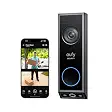
 Autel EVO II Dual 640TBest for thermal inspections
- Thermal resolution
- 640 x 512
- Digital zoom
- Up to 16x
- Flight time
- Up to 42 minutes
- Transmission
- Up to 15 km
Most recommended by reviewers
Check price at Amazon


How we make money. If you buy through our links we may earn a commission. It never changes what we recommend. Learn more ›
 Autel EVO II Dual 640TBest for thermal inspectionsRunner-up2
 DJI Mavic 3 ClassicBest for visual inspections
We earn a commission when you buy through our links, at no extra cost to you. How this works.
If you inspect roofs for a living or want a clearer look at your own, a drone can save a lot of climbing. It lets you spot loose shingles, holes and gutter damage from the ground, and some models add thermal imaging to show heat loss.
Our top pick is the Autel EVO II Dual 640T Enterprise V3, which pairs a 640 x 512 thermal sensor with a visual camera and a long-range link. The rest of the list covers a cheaper visual option and a compact budget drone.
1 Autel EVO II Dual 640T | 2 DJI Mavic 3 Classic | 3 DJI Air 2S | |
|---|---|---|---|
| Best for | Best for thermal inspections | Best for visual inspections | Best budget pick |
| Flight time | Up to 42 minutes | Up to 46 minutes | Up to 31 minutes |
| Transmission | Up to 15 km | Up to 15 km | Up to 12 km |
| Sensor | Not listed | 4/3 CMOS, Hasselblad | 1-inch CMOS, 20 MP |
| Video | Not listed | Up to 5.1K | Up to 5.4K |
| Check price at Amazon | Check price at Amazon | Check price at Amazon |
Autel EVO II Dual 640TBest for thermal inspectionsMost recommended by reviewers
Check price at Amazon DJI Mavic 3 ClassicBest for visual inspections
 DJI Air 2SBest budget pick


A thermal-and-visual drone built for detailed roof work.
Most recommended by reviewers
Check price at AmazonPrices and availability on Amazon change often.
For roof inspections that need to find heat loss, moisture, or hot spots, the Autel EVO II Dual 640T Enterprise V3 is the pick we'd choose for this search.
This is the only drone of the three with a thermal camera, built around a 640 x 512 sensor that supports spot and regional temperature measurement, which is what roof work often calls for. Reviewers note its visual camera also holds up in low light, and its 360-degree obstacle avoidance adds a margin of safety when flying close to a roofline. Reviewers describe it as ultra-portable for a dual-camera enterprise drone.
Flight time is up to 42 minutes, which trails the Mavic 3 Classic's 46 minutes, so you may need to plan battery swaps on larger roofs. The listing also notes that RTK is not included in this bundle, so accurate mapping would need an extra purchase.
If it's not for you, the DJI Mavic 3 Classic suits visual-only jobs with its longer 46-minute flight time and large sensor, and the DJI Air 2S suits a tight budget, though it has no thermal option and limited obstacle sensing.


A strong visual drone for roof photos without thermal imaging.
Prices and availability on Amazon change often.


A compact, affordable drone for basic roof photos.
Prices and availability on Amazon change often.
Professional inspectors who need thermal data should choose the Autel EVO II Dual 640T. Homeowners and small teams doing visual checks will do well with the Mavic 3 Classic, and the Air 2S suits occasional, simple jobs.
The Autel EVO II Dual 640T Enterprise V3 is our top pick because it adds a 640 x 512 thermal sensor to a visual camera. For visual-only work, the DJI Mavic 3 Classic is a strong choice.
Yes. Drones let you see shingles, holes and gutters without climbing, and they are much safer on steep pitches. Reader comments note they are a supplement to walking a roof, not a full replacement.
Commercial flights generally need an FAA Part 107 certificate in the US. Check current FAA rules for your use, and make sure your insurance covers the drone.
Why trust ConsumerEcho
We built this shortlist from two expert reviews and a roofing community thread, weighing thermal imaging, zoom, flight time and price. Every product here is in stock on Amazon right now.
Our expert team tests products when it is needed and researches online and in interviews. Every guide is fact-checked and edited by a real person.
The ConsumerEcho editorial team · Updated Nov 21, 2026
How we pickEditorial standardsAffiliate disclosureReport a mistake
We earn a commission when you buy through our links, at no extra cost to you. It never decides the winner.