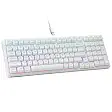
 TEKCOPLUS Brix RefractometerBest value
- Range
- 0-32% Brix
- Resolution
- 0.2% division
- Temperature compensation
- Automatic (ATC)
- Power
- None (manual optical)
Most recommended by reviewers
Check price at Amazon


How we make money. If you buy through our links we may earn a commission. It never changes what we recommend. Learn more ›
We earn a commission when you buy through our links, at no extra cost to you. How this works.
If you grow plants and want to know when they are at their sweetest or healthiest, a Brix refractometer is the simplest tool for the job. It squeezes a few drops of plant juice onto a glass prism and gives you a sugar reading in seconds, with no batteries or lab work needed.
Our top pick is the TEKCOPLUS 0-32% refractometer. It covers the range that matters for fresh fruits and vegetables, adjusts for temperature on its own, and costs less than the others. The other two picks cover a wider range or a digital readout for those who want more.
1 TEKCOPLUS Brix Refractometer | 2 CIMALAB Brix Refractometer | 3 COFFMETER Digital Brix Refractometer | |
|---|---|---|---|
| Best for | Best value | Widest range | Digital readout |
| Range | 0-32% Brix | 0-90% Brix | 0-35% Brix |
| Temperature compensation | Automatic (ATC) | Automatic (ATC) | Automatic, 5-45 C |
| Power | None (manual optical) | None (manual optical) | Rechargeable battery |
| Check price at Amazon | Check price at Amazon | Check price at Amazon |
TEKCOPLUS Brix RefractometerBest valueMost recommended by reviewers
Check price at Amazon CIMALAB Brix RefractometerWidest range
 COFFMETER Digital Brix RefractometerDigital readout


A low-cost, manual refractometer with the 0-32% range that the expert guide recommends for fresh fruit and vegetables.
Most recommended by reviewers
Check price at AmazonPrices and availability on Amazon change often.
For plant and produce testing on a budget, the TEKCOPLUS Brix Refractometer is the pick we'd choose for this search, since its 0-32% range matches the sugar levels found in fresh fruits and vegetables.
The 0-32% scale with 0.2% divisions covers the range most fresh produce falls into, and automatic temperature compensation keeps readings steady as the room or field temperature changes. It is also the lowest priced of the three picks. Its aluminum body and rubber grip are built to resist rust and corrosion, which suits outdoor garden work. Reviewers note that the simple drop-and-look process is less fussy than a hydrometer.
This is a manual optical tool, so you read the scale through the eyepiece and need to hold it up to light to see the numbers clearly. If you want a number displayed on a screen or need to test syrups and honey too, the CIMALAB model with its 0-90% range or the COFFMETER digital option may suit you better.
If it's not for you, the CIMALAB Brix Refractometer 0-90% suits anyone who also tests honey or syrups, and the COFFMETER Digital Brix Refractometer suits those who want a direct digital readout and don't mind charging it.


A manual refractometer with a much wider 0-90% scale, useful if you also measure syrups and honey.
Prices and availability on Amazon change often.


A rechargeable digital refractometer with an LCD readout, for those who want a number instead of reading a scale.
Prices and availability on Amazon change often.
Look for a range that starts at 0 and reaches at least 32%, since that covers the typical reading for fresh fruit and vegetables. Automatic temperature compensation matters if you test outdoors, because the reading shifts with the temperature of the sample. Manual refractometers need only light to read; digital ones need a charge but show a number directly.
Calibrate the device first by placing a few drops of calibration solution or pure water on the prism and adjusting to zero. Then place about 2-3 drops of plant juice on the prism and close the cover, wait around 30 seconds, and read the scale in daylight. Do not use the device on dried or dehydrated plant parts, as it gives a false reading. Wipe the prism dry with a clean cloth rather than rinsing it.
For most home growers the TEKCOPLUS 0-32% refractometer is the best starting point. Its range covers fresh fruit and vegetables, it compensates for temperature automatically, and it is the lowest cost of the three.
The sources we checked focus on measuring Brix rather than raising it, so we cannot give a confirmed method here. A reading of 12% or higher is generally linked to better pest and disease resistance in plants, according to one expert guide.
Fresh fruits and vegetables generally fall within a 0-32% Brix range, according to the expert guide we checked. The guide does not list specific fruits by their reading, so check a fruit-specific source for exact figures.
Why trust ConsumerEcho
This shortlist is built from the Amazon listings for three refractometers that are available to buy now, checked against the manufacturer specs and a plant-focused expert guide. We weighed the measuring range, temperature compensation, power source and how each device handles plant juice.
Our expert team tests products when it is needed and researches online and in interviews. Every guide is fact-checked and edited by a real person.
The ConsumerEcho editorial team · Updated Nov 22, 2026
How we pickEditorial standardsAffiliate disclosureReport a mistake
We earn a commission when you buy through our links, at no extra cost to you. It never decides the winner.