




Bath day doesn’t have to end with a soaked floor and a pet hiding under the bed in fear. With a little prep, the right gear and calm vibes, you can bathe your pet at home and keep the whole thing short and sweet. Fair warning: you will probably still get splashed.
Here are ten easy tips, sorted by when you need them: before, during, and after the bath. They work for most dogs, and we’ve noted where cats need a little extra care. A good bath also helps with that lingering doggy smell; for the rest of the house, see how to get rid of pet smell. The essentials we’d keep on hand are waiting at the end.
Before you bathe your pet at home
Know how often your pet needs a bath
There’s no need to bathe your pet every week. The ASPCA suggests bathing a dog at least once every three months, and more often if your dog spends a lot of time outdoors or has skin problems. Most cats keep themselves clean and only need a bath when they’re very dirty or get into something sticky or smelly. If your pet has a skin condition, ask your vet how often to bathe and which shampoo to use.
Brush first, always
Give your pet a good brushing before the bath to remove dead hair and mats. The ASPCA recommends combing or cutting out mats before bathing; they are much harder to work out once they are wet. A slicker brush works for most coats, and you’ll have much less fur clogging the drain.
Pick pet shampoo, not yours
Use a shampoo made for dogs or cats. Human shampoo can dry out your pet’s skin, according to the ASPCA. For a cat, the ASPCA suggests mixing one part cat shampoo with five parts water. If your vet has prescribed a medicated shampoo, follow their directions for how long to leave it on.
Set up before your pet gets wet
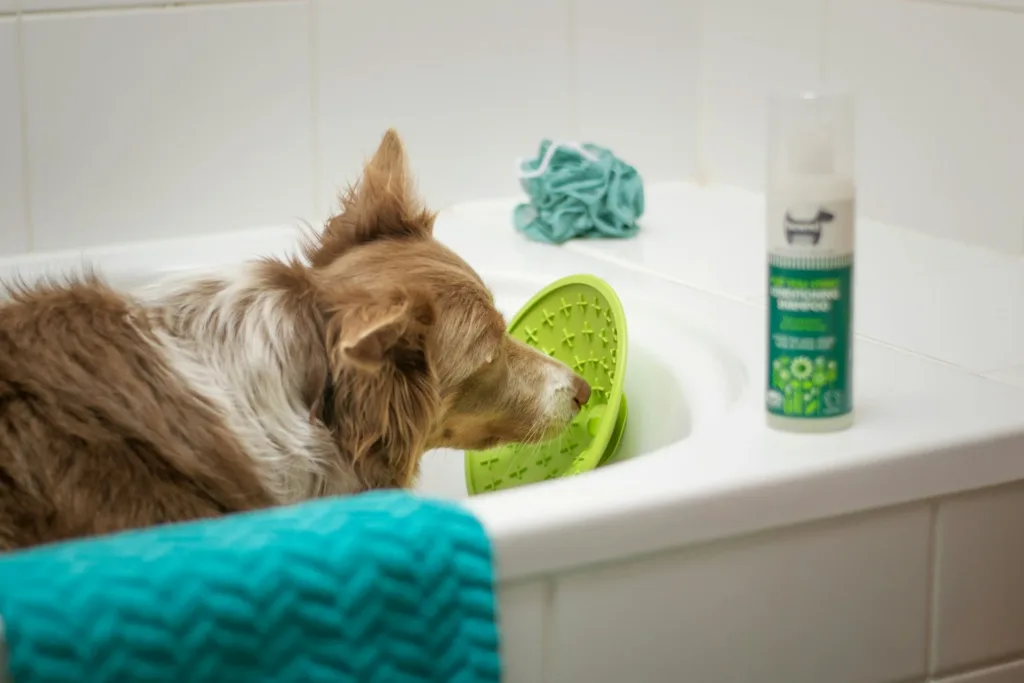
Line up everything within reach: shampoo, a cup or sprayer, a washcloth, towels and a few treats. Once your pet is in the water, you won’t want to leave to grab something. Choose a calm moment, too. A play session before the bath can help tire out a frisky cat, and the ASPCA suggests trimming a cat’s claws first to protect yourself. For dogs, a lick mat with a smear of a dog-safe treat stuck to the tub wall can keep them busy.
During the bath
Give them solid footing
Put a rubber bath mat in the tub or sink so your pet doesn’t slip, then fill it with three to four inches of lukewarm water, as the ASPCA recommends. Not hot. Pets feel much safer when their paws aren’t sliding around.
Keep water out of ears, eyes, and nose
Wet your pet with a sprayer, a plastic pitcher, or an unbreakable cup, and never spray or pour water straight into the ears, eyes, or nose. For cats, the ASPCA suggests placing a little cotton gently in the ears to keep water out. Remember to remove it afterward.
Lather from head to tail, and wash the face separately
Gently massage the shampoo in from head to tail, working in the direction the hair grows. Don’t forget the belly, armpits, paws, and tail. Skip the face with the shampoo; wipe it with a damp washcloth instead. Plain water is fine unless the face is really dirty.
Rinse, then rinse again
This is the step most people rush. Leftover shampoo can irritate the skin and act like a magnet for dirt, so keep rinsing until the water runs clear and the coat no longer feels slippery. Pay extra attention to thick spots like the chest and the base of the tail.
After the bath
Dry them all the way
Start with a good rub from a large, absorbent towel. Short coats often dry fine with a towel alone, but thick or double coats dry faster with a pet dryer. Keep it on a low heat setting, keep the air moving, and work in sections from the neck down. Pets with wrinkles or loose facial skin, like Pugs and Shar-Peis, need the folds dried well, too.
Finish with ears, praise, and a treat
Water left in the ears can be uncomfortable, so a gentle ear cleanser made for pets is a good last step, especially for dogs who swim or bathe often. Then hand out praise and a treat so the next bath starts on a better note. If your pet has heavy mats, fleas or truly panics in the tub, a professional groomer is worth the trip.
Our Amazon pet bathing essentials
Six favorites that make bath day easier: the everyday basics in the first row, and two bigger buys worth it if you bathe often in the second. Shopping during the holidays? Read how to shop Amazon smarter first.
 Check price at Amazon
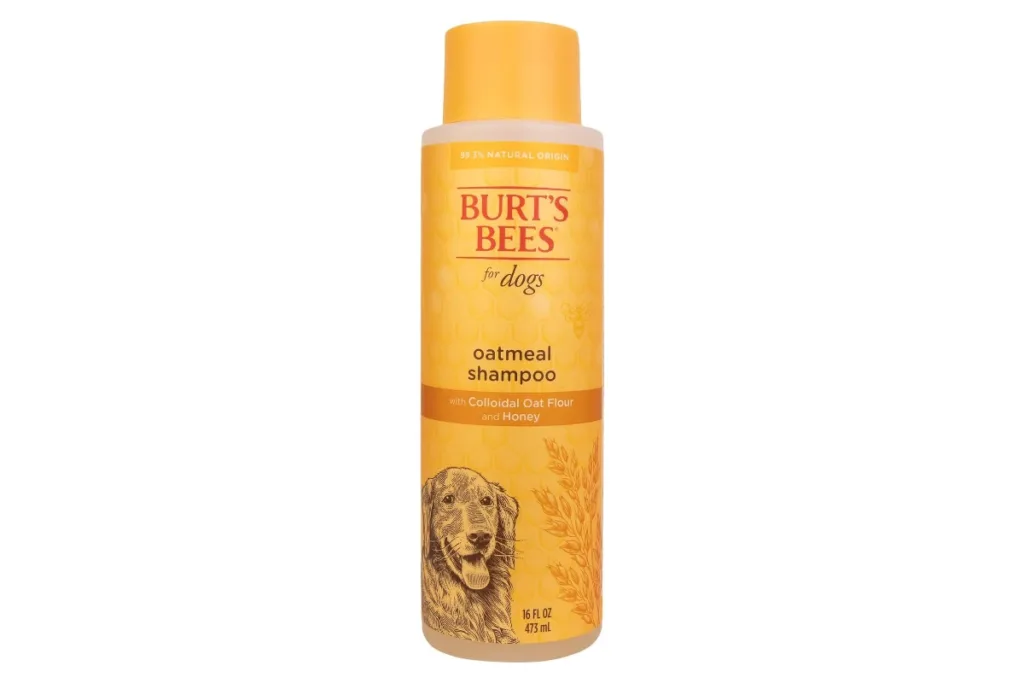
A gentle oatmeal shampoo
The Burt’s Bees for Pets Oatmeal Dog Shampoo uses colloidal oat flour, honey and beeswax to soothe dry skin and soften the coat. It’s made for puppies and adult dogs.
 Check price at Amazon
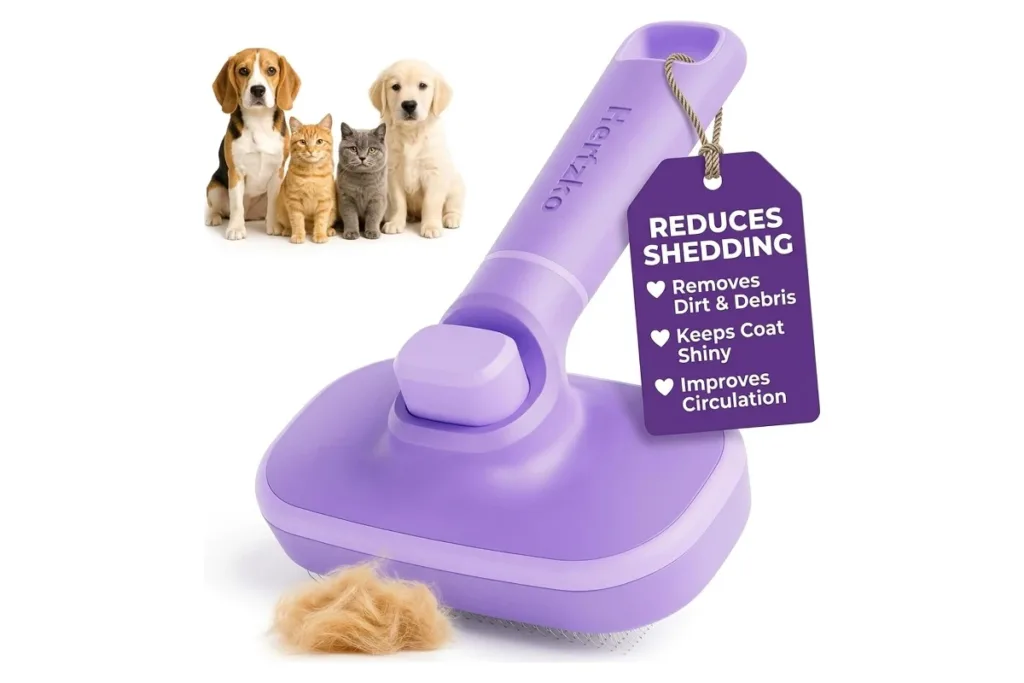
A slicker brush that cleans itself
The Hertzko Self Cleaning Slicker Brush has fine, angled bristles for long and short coats. Press the button and the bristles pull back so the fur slides off.
 Check price at Amazon
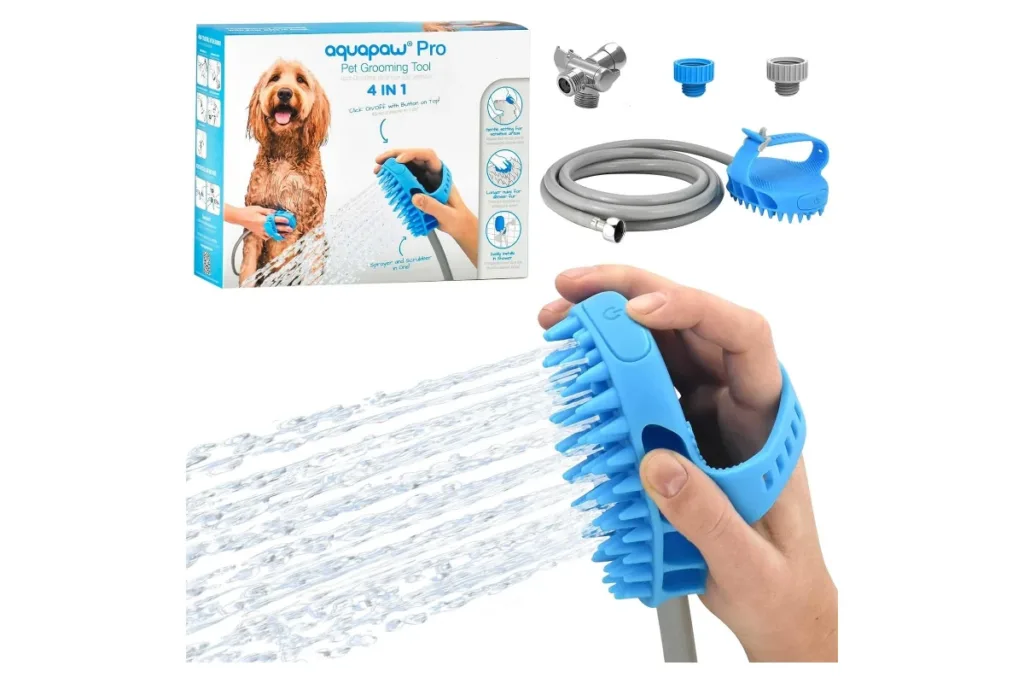
A sprayer and scrubber in one
The Aquapaw Pet Bath Brush Pro puts a sprayer inside a silicone scrub brush, on an 8 foot hose that attaches to your shower or faucet.
 Check price at Amazon
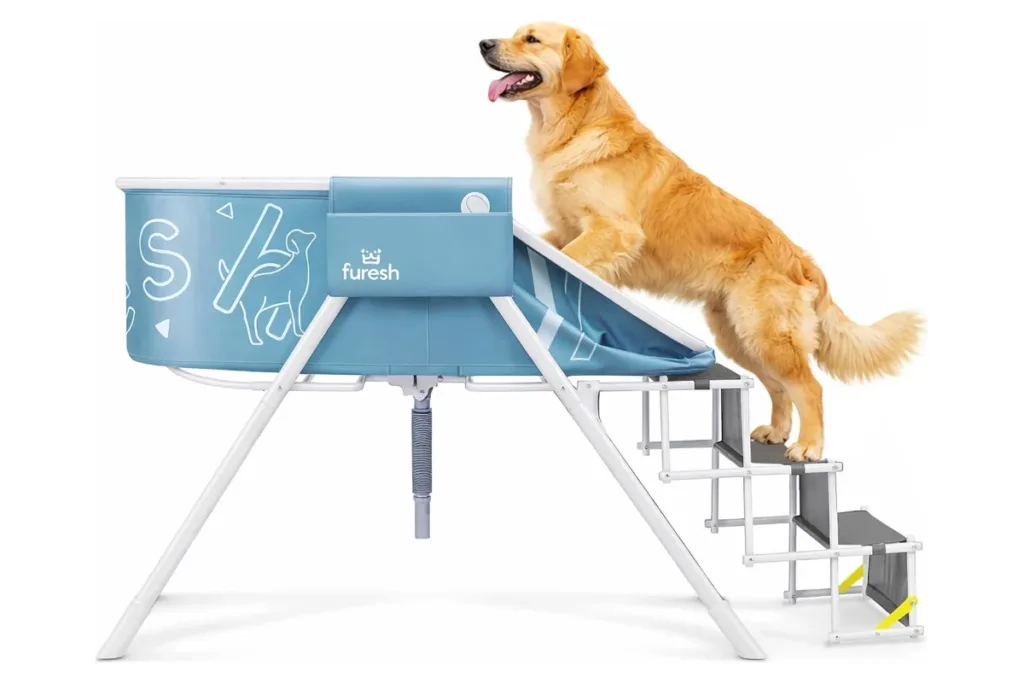
A washing station for big dogs
The Furesh Foldable Dog Washing Station raises your dog to 33 inches, so no more bending over the tub. It has stairs, holds up to 120 pounds and folds to about 6 inches wide.
 Check price at Amazon
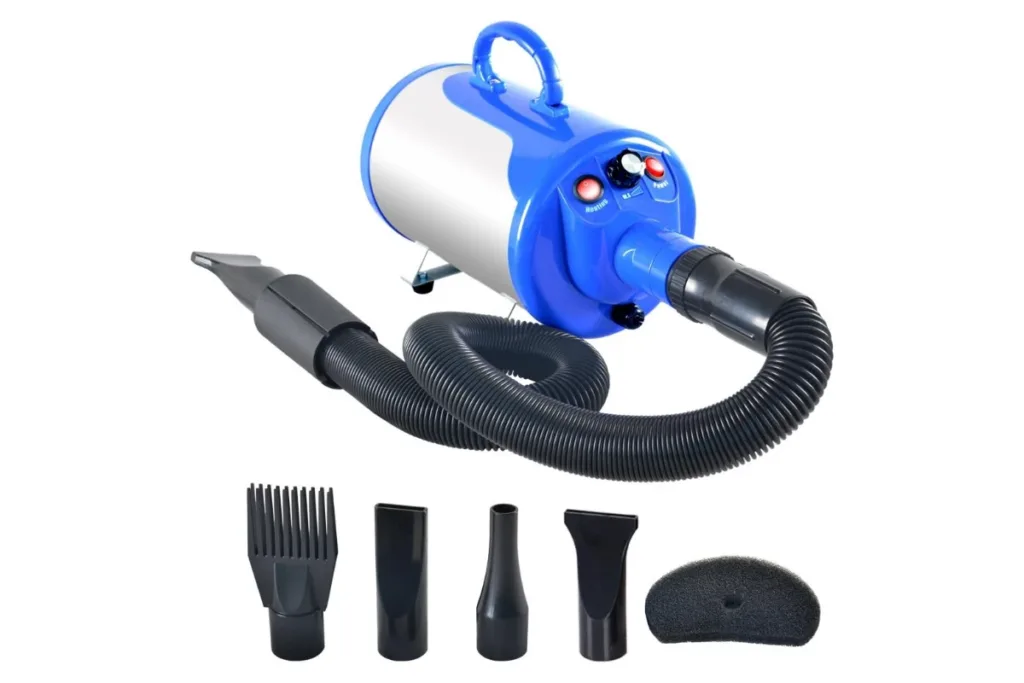
A dryer for thick coats
The SHELANDY Pet Hair Force Dryer has adjustable airflow, two heat settings, a hose that stretches to 7 feet and 4 nozzles.
 Check price at Amazon
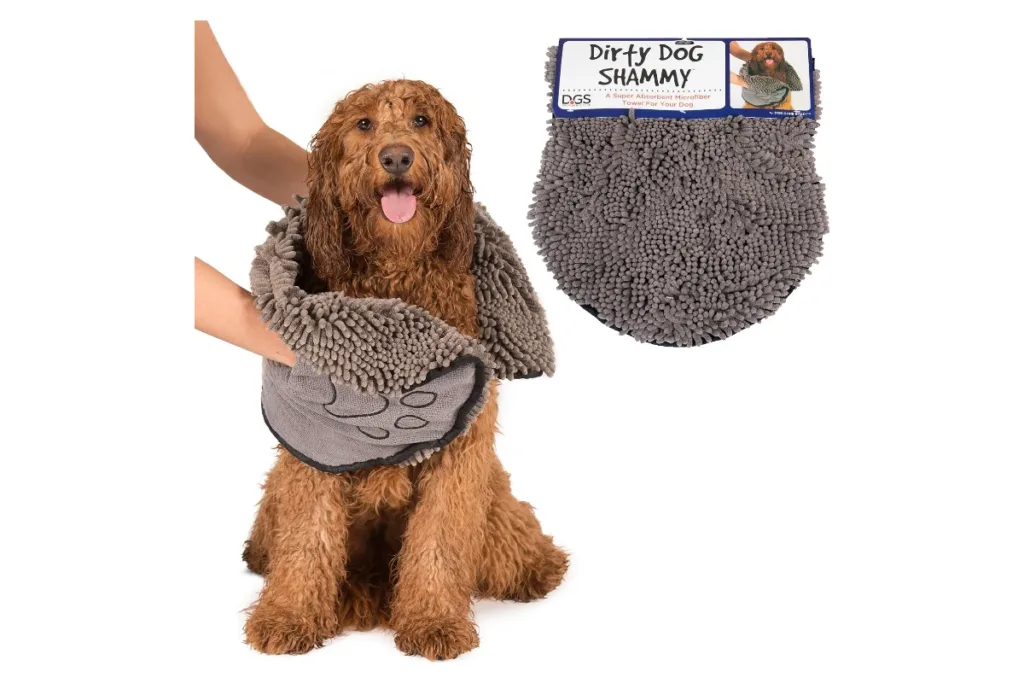
A towel that soaks it up
The Dog Gone Smart Dirty Dog Shammy is a 31 by 13 inch microfiber towel. The brand says it holds up to 8 times its weight in water.
Sources and further reading
- ASPCA, Dog Grooming Tips, how often to bathe a dog, bath steps, wrinkled skin
- ASPCA, Cat Grooming Tips, cat bath steps, shampoo dilution, cotton in ears, claw trim
- ASPCA, General Dog Care, remove mats before bathing, rinse all soap
- Burt's Bees for Pets Oatmeal Dog Shampoo, Puppy and Adult, 16 Fl Oz, Amazon, ingredients, size, puppies and adults
- Hertzko Self Cleaning Slicker Brush for Dogs and Cats, Purple, Amazon, bristles, retracting button
- Aquapaw Dog Bath Brush Pro and Dog Shower Attachment, Amazon, sprayer brush, 8 ft hose
- Dog Gone Smart The Dirty Dog Shammy, Grey, 31 x 13 Inches, Amazon, size, absorbency
- SHELANDY Groomer Partner Pet Hair Force Dryer, Blue, Amazon, airflow, heat settings, hose, nozzles
- Furesh Foldable Dog Washing Station for Large Dogs with Stairs, Amazon, height, stairs, weight limit, folded width
Changelog
- Written.
What we could not test
- We haven’t tested these products.
Questions
How often should I bathe my dog?
The ASPCA suggests at least once every three months, and more often for dogs who spend a lot of time outdoors or have skin problems. Your vet can advise if your dog has a skin condition.
Can I use my own shampoo on my pet?
It’s best not to. Human shampoo can dry out a pet’s skin, so pick a shampoo made for dogs or cats.
Do cats need baths?
Most cats groom themselves well. A bath makes sense when your cat is very dirty or gets into something sticky or smelly.
What water temperature is best for a pet bath?
Lukewarm, never hot. The ASPCA suggests about three to four inches of lukewarm water in the tub or sink.