




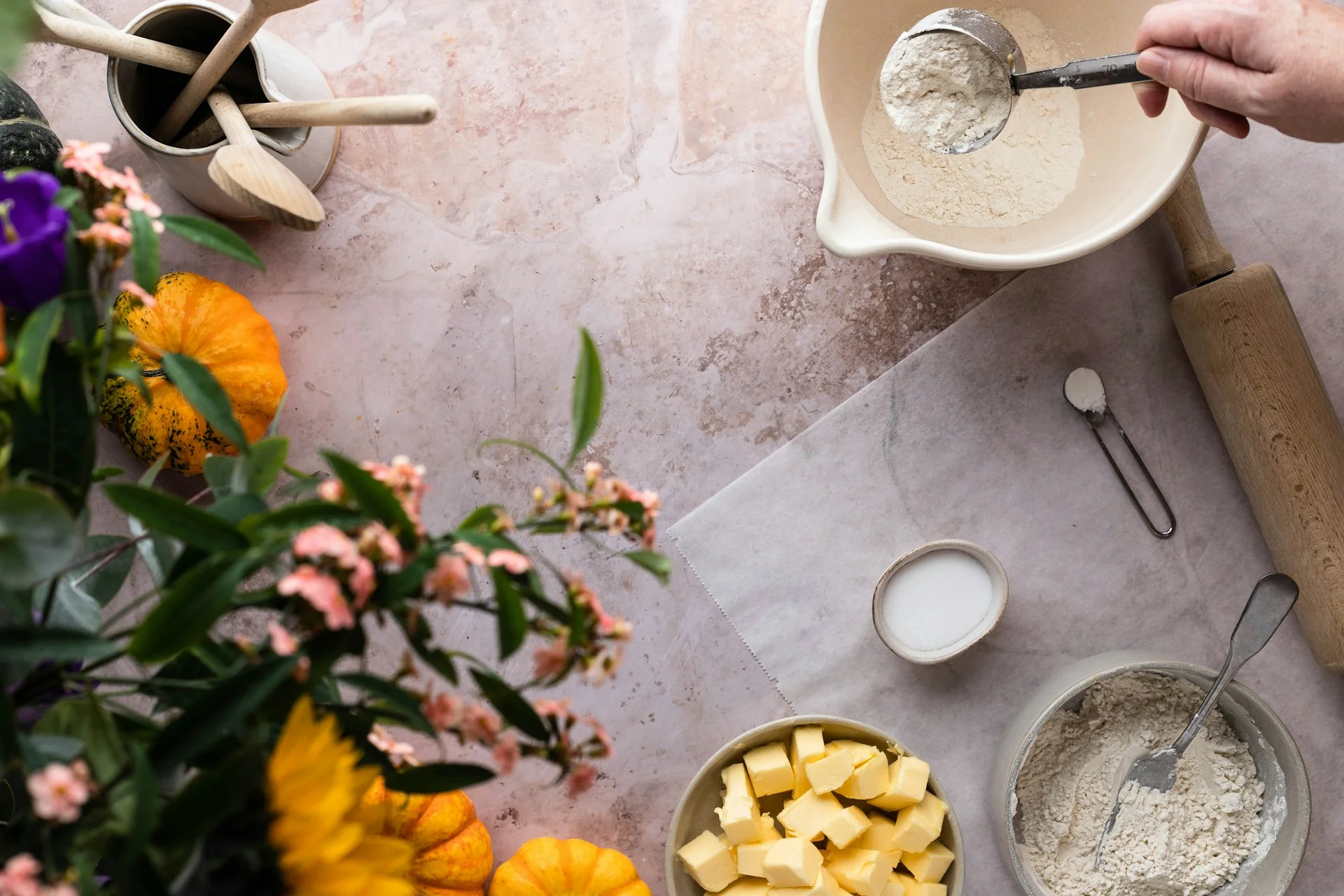
Most baking mistakes have nothing to do with your skill level. A cake comes out too dense, cookies overspread and merge into one gigantic blob, or the frosting slides off and starts dripping on the floor, and the cause is usually a small habit: how you measure, how warm the butter is, or how much you trust the settings of your oven.
The good news is that the fixes are simple. Here are 12 common baking mistakes, grouped by when they happen, with what to do instead. Most of them take less than a minute to fix.
Before you bake: reading and measuring
1. Reading the recipe as you go
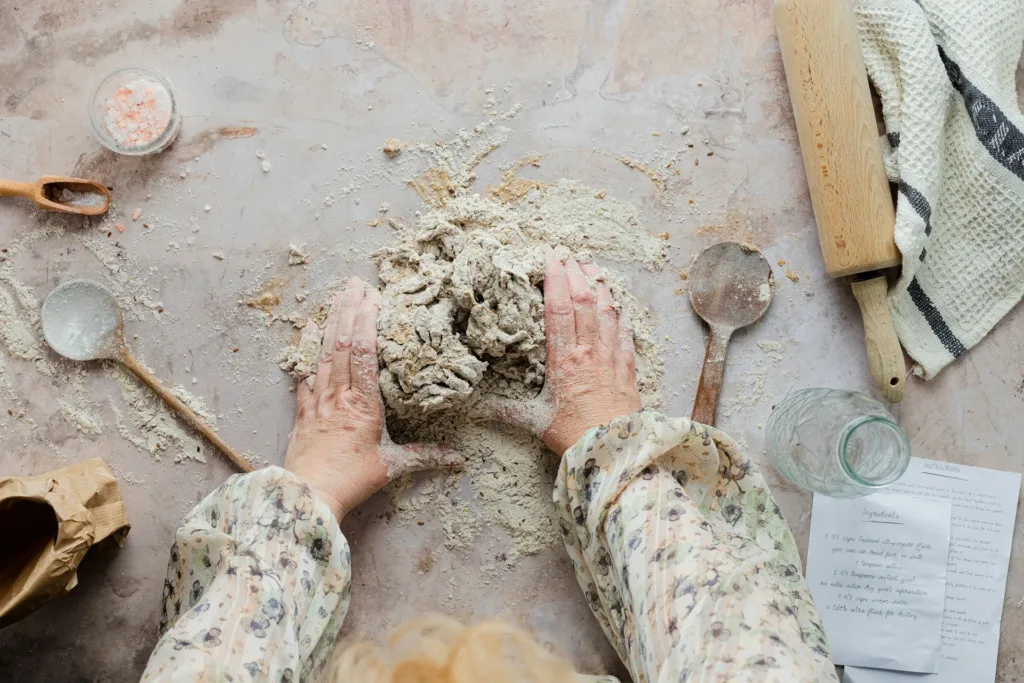
Starting a recipe before you’ve read it to the end is how you discover, halfway through, that the dough needs to chill overnight. Read it through once and set out everything you need first.
Watch the commas, too. “1 cup walnuts, chopped” means you measure whole walnuts, then chop them. “1 cup chopped walnuts” means you chop first, then measure, which packs more nuts into the cup. The wording changes the amount.
2. Scooping flour straight from the bag
Dipping the measuring cup into the bag packs the flour down, so you add more than the recipe intends. King Arthur Baking says a cup of all-purpose flour should weigh 120 grams, while a tightly packed cup can hold up to 160 grams. That extra flour is why cakes turn dry and cookies come out like biscuits.
The simplest fix is a kitchen scale. Without one, fluff the flour, spoon it into the cup and level the top with a straight edge.
3. Baking with cold butter and eggs
Unless a recipe says otherwise, butter and eggs should be at room temperature. Soft butter traps air when you beat it with sugar, and that air helps cakes and cookies rise and stay light. Cold butter won’t cream, and cold eggs can make a smooth batter look curdled.
Take them out of the fridge about an hour before you start. Butter is ready when a finger leaves a dent without sinking in.
Mixing mistakes
4. Overmixing the batter
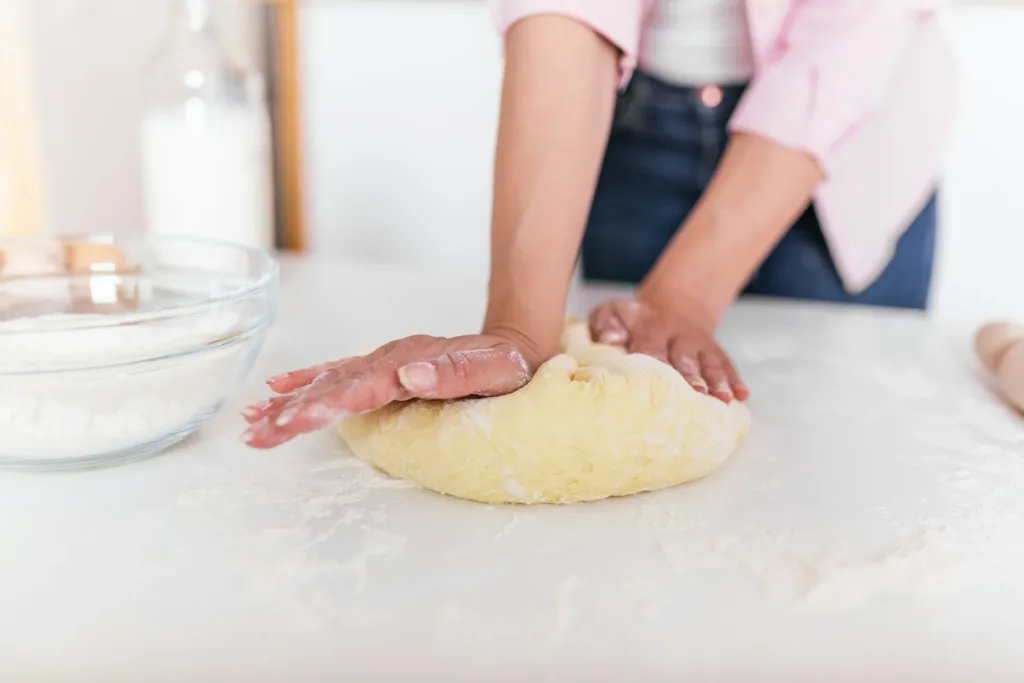
Once flour meets liquid, the more you stir, the more gluten forms. That’s great for bread and bad for cakes, muffins and pancakes, which turn tough and dense. Mix until the flour just disappears, then stop. A few small lumps are fine.
5. Whipping egg whites in a greasy bowl
Egg whites won’t whip into stiff peaks if there’s any fat in the bowl, even a trace of yolk or butter. Use a clean metal or glass bowl, since plastic can hold on to grease, and wipe it and the whisk dry before you start.
6. Cracking eggs straight into the batter
One bad egg or a stray piece of shell can ruin a whole bowl. Crack each egg into a small cup first, then add it. When you’re separating eggs, do each one over the cup, so a broken yolk only costs you one egg.
In the oven
7. Trusting the oven dial
Many ovens run hotter or cooler than the number on the dial, and the gap can grow as an oven ages. If your cupcakes dome and crack, or edges burn before the middle sets, your oven may be running hot. An inexpensive oven thermometer on the middle rack shows the real temperature, so you can adjust the dial to match.
8. Opening the door to check
Every peek lets heat out, and a cake that hasn’t set yet can sink in the middle. Use the oven light instead, and start checking only near the end of the baking time. A toothpick that comes out clean or with a few moist crumbs means it’s done.
9. Using any baking sheet
Dark pans absorb more heat, so cookie bottoms brown faster. Light, shiny aluminum sheets bake more evenly. If dark pans are all you have, check your bakes a few minutes early.
10. Putting dough on a hot baking sheet
Cookie dough starts to melt the moment it touches a warm pan, so the second batch spreads more than the first. Let the sheet cool between batches, or rotate two sheets so one is always cooling.
After the oven: cooling, frosting and storing
11. Frosting a warm cake
Frosting melts and slides off a cake that’s still warm, and crumbs get dragged into it. Let layers cool completely. For a neat finish, spread a thin first layer of frosting, called a crumb coat, chill the cake until it firms up, then add the final layer.
12. Sealing bakes while they’re still warm
Warm cakes, cookies and cupcakes give off steam. Shut them in an airtight container too soon and the moisture turns tops sticky and liners soggy. Cool everything on a rack first, then store it.
For more on getting cupcakes right, see our guide to making the perfect cupcake. If bread is your thing, read about the best bread makers, according to baking experts.
Our Amazon picks for better baking
Six tools that make the fixes above easier: mixing in the first row, baking and finishing in the second. Comparing mixers? See our best stand mixers.
 Check price at Amazon
A mixer for creaming
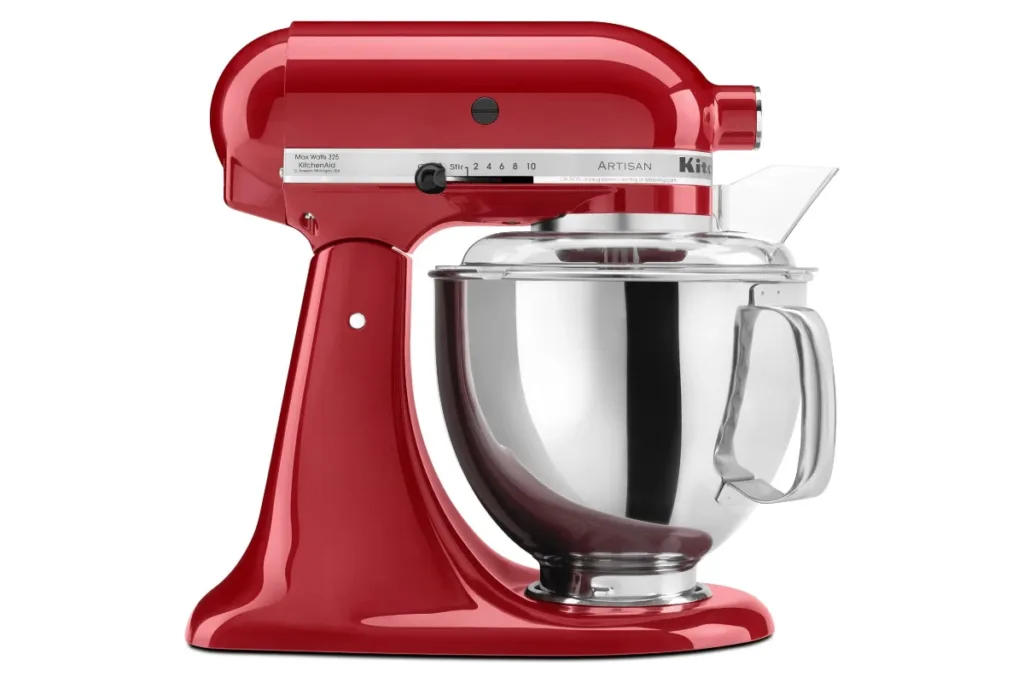
The KitchenAid Artisan 5-Quart Tilt-Head Stand Mixer has 10 speeds and comes with a flat beater, dough hook and wire whip. The head tilts back for easy access to the bowl.
 Check price at Amazon
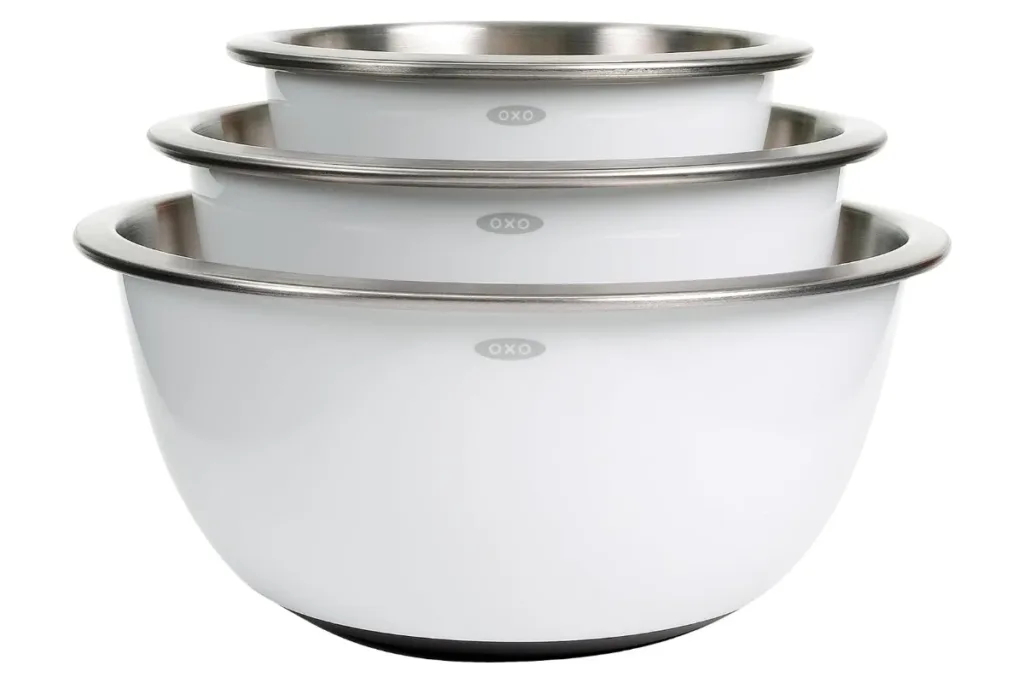
Bowls that stay put
The OXO Good Grips 3-Piece Stainless Steel Mixing Bowl Set has 1.5, 3 and 5-quart bowls with non-skid bottoms. Stainless steel is a good choice for whipping egg whites.
 Check price at Amazon
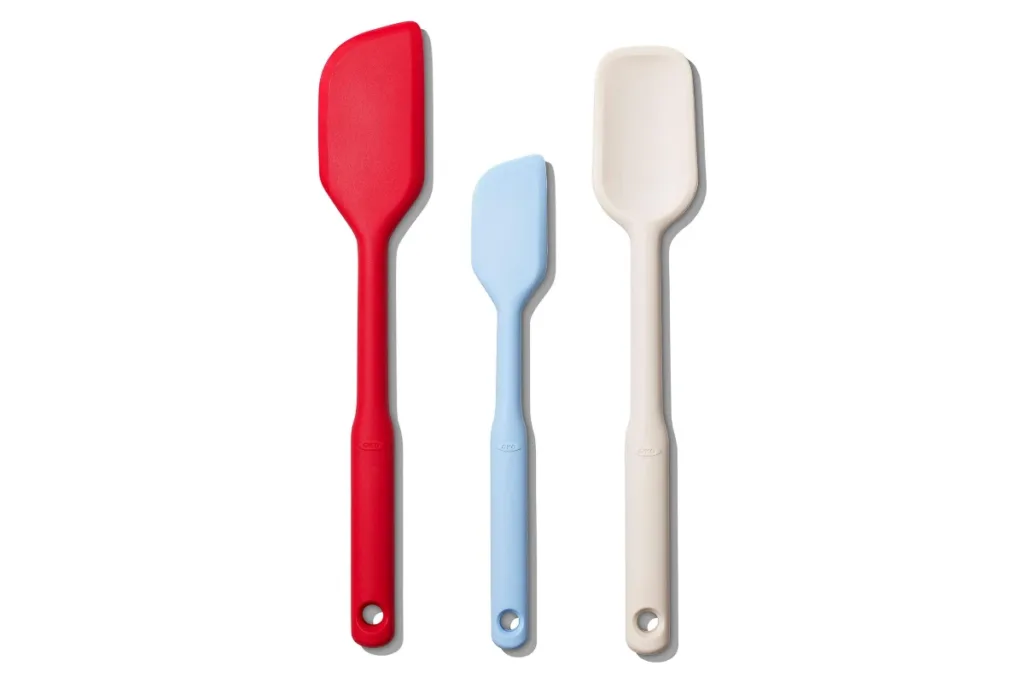
Spatulas for folding
The OXO Good Grips 3-Piece Silicone Spatula Set gives you three sizes for scraping bowls clean and folding batter gently, so you don’t overmix.
 Check price at Amazon
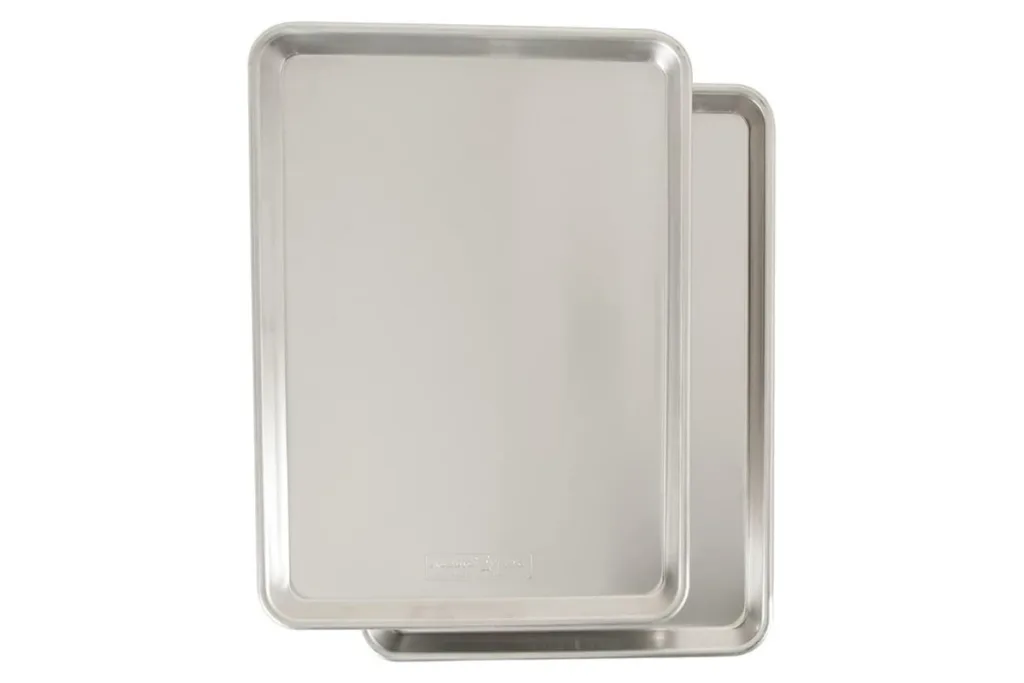
Light pans that bake evenly
The Nordic Ware Naturals Half Sheet, 2-Pack is bare aluminum with steel-reinforced rims that resist warping. Two pans let one cool while the other bakes.
 Check price at Amazon
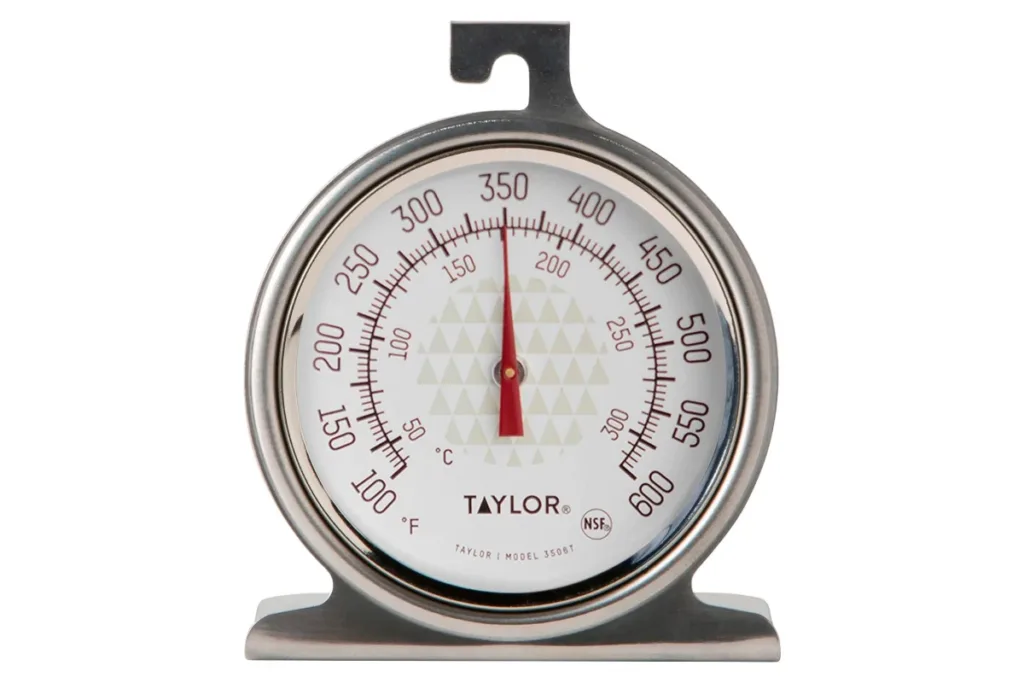
A thermometer for the real heat
The Taylor Large Dial Oven Thermometer reads 100 to 600°F on a 2.5-inch dial and can hang from a rack or stand on its own.
 Check price at Amazon
A spatula for smooth frosting
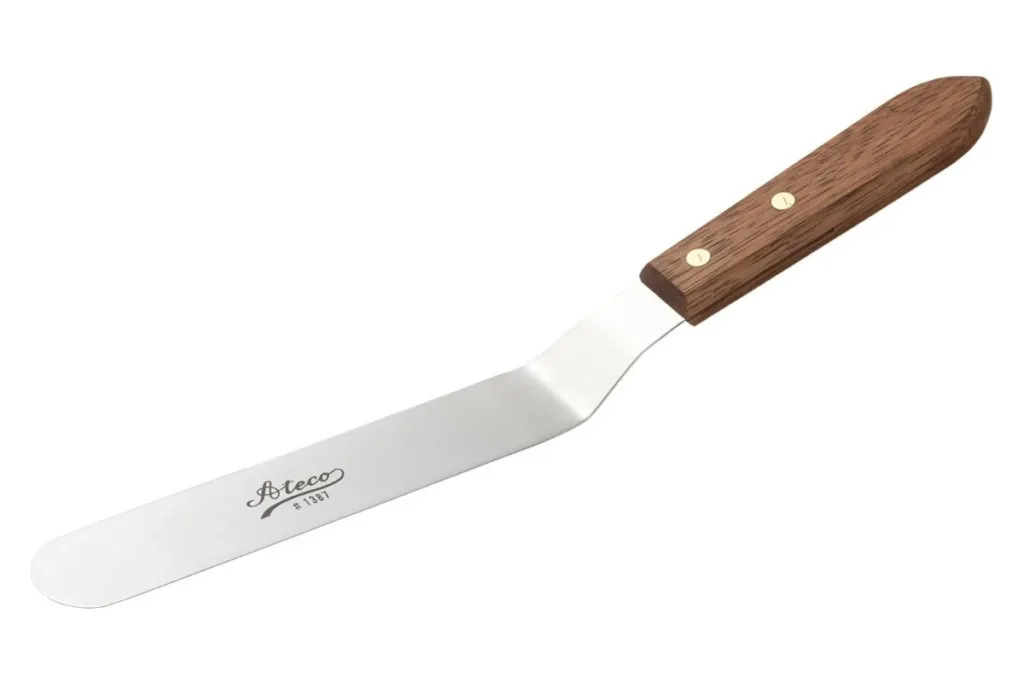
The Ateco Offset Spatula has a 7.63-inch tapered stainless steel blade that flexes evenly, made for crumb coats and smooth frosting.
Sources and further reading
- King Arthur Baking: How to measure flour the right way, 120 grams per cup of all-purpose flour; up to 160 grams when packed
- Amazon: KitchenAid Artisan 5-Qt Tilt-Head Stand Mixer, KSM150PS, Empire Red, Product details
- Amazon: OXO Good Grips 3-Piece Stainless Steel Mixing Bowl Set, Product details
- Amazon: OXO Good Grips 3-Piece Silicone Spatula Set, Product details
- Amazon: Nordic Ware Naturals Half Sheet, 2-Pack, Product details
- Amazon: Taylor Large 2.5-Inch Dial Oven Thermometer, Product details
- Amazon: Ateco Offset Spatula, 7.63-Inch Blade, Product details
Changelog
- Written.
What we could not test
- We haven’t tested these products; details come from the brands’ Amazon listings.
Questions
What is the most common baking mistake?
Measuring flour by scooping it from the bag. It packs the cup, so you add more flour than the recipe means, and bakes turn dry and dense. Weigh it, or spoon it in and level it.
Why did my cake sink in the middle?
Often the oven door was opened before the cake set, the oven ran cool, or the batter was overmixed. An oven thermometer and gentle mixing help.
Why do my cookies spread too much?
Warm dough and hot baking sheets are common causes. Chill the dough, and let sheets cool between batches.
Do ingredients really need to be at room temperature?
For most cakes and cookies, yes. Soft butter and room-temperature eggs blend smoothly and hold air, which gives a lighter texture.